
THE INTERNATIONAL YEAR OF GLACIERS' PRESERVATION (IYGP) IN 2025: PRESERVING THE PLANET'S ICY GIANTS
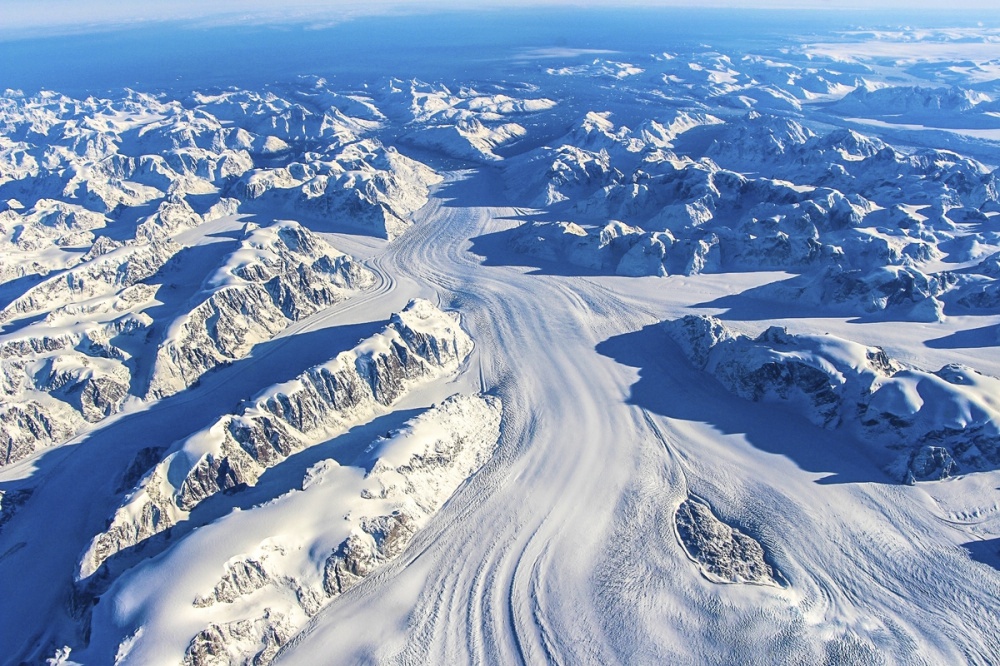
In 2025, the world will mark the “International Year of Glaciers' Preservation (IYGP)”, an unprecedented global initiative declared by the United Nations to highlight the importance of glaciers and address their rapid decline due to climate change. This observance is a crucial opportunity to engage the international community, increase public awareness, and implement collective actions to safeguard these frozen reservoirs that are vital to both local and global environmental health.
The Role and Importance of Glaciers
Glaciers are massive, slow-moving bodies of ice that form over centuries from layers of snow. They cover about 10% of the Earth's land surface, and despite their vast, frozen appearances, they are key components of the planet's hydrological and ecological systems. These ice giants serve as significant sources of freshwater, store essential climate data, and play an integral role in the regulation of global weather systems. As glaciers slowly melt, they release freshwater that sustains rivers and lakes, providing water for billions of people, particularly in regions such as South Asia, Latin America, and parts of Europe. In addition to being critical freshwater resources, glaciers have a cooling effect on Earth's climate. This natural "albedo effect" also helps regulate temperature by reflecting the sun's heat, preventing too much solar radiation from warming the Earth's surface.
However, as the planet warms due to human-induced climate change, glaciers are rapidly retreating. According to scientific studies, glaciers worldwide have been losing mass at an accelerating rate over the past century, contributing significantly to rising sea levels. The accelerating pace of glacier melt poses serious environmental, social, and economic challenges, particularly for communities reliant on glacier-fed water sources. The decision to dedicate 2025 to the preservation of glaciers comes at a time when the climate crisis is becoming increasingly evident. The melting of glaciers is not a future concern—it is happening now. As global temperatures rise, glaciers in regions like the Arctic, the Andes, and the Himalayas are shrinking at an alarming pace. This makes 2025 the ideal time to launch a focused global effort to raise awareness, address the threats glaciers face, and drive tangible action to halt their retreat.
Tajikistan's President, Leader of the Nation, Honorable Emomali Rahmon, has been a vocal advocate for the preservation of glaciers and the protection of water resources in the face of climate change. His leadership has been instrumental in raising global awareness about the importance of glaciers, not just for Tajikistan but for the entire Central Asian region. Leader of the Nation, Honorable Emomali Rahmon, has emphasized the significant role that glaciers play in maintaining the region's water balance and has called for international cooperation to address the growing environmental crisis.
Conclusion: The International Year of Glaciers' Preservation in 2025 offers a critical opportunity to address one of the most visible and urgent consequences of climate change. Glaciers are vital to the well-being of ecosystems, human societies, and the climate system itself. As the world faces the reality of climate-induced glacier loss, the IYGP will provide the momentum needed for urgent action to protect these irreplaceable resources. Tajikistan's leadership, Honorable Emomali Rahmon, offers a critical model for how nations affected by glacier loss can play a central role in this global movement. Together, we can ensure a sustainable future for glaciers and the millions of people who depend on them.
Normal Physiology Department, Assistant,
Rajabova N. Kh.