


Salads are an abundant source of essential vitamins and minerals. By incorporating them into our diet, we can mitigate the risk of developing obesity and type 2 diabetes. Juicy and tender lettuce, being one of the lowest-calorie vegetables, provides only
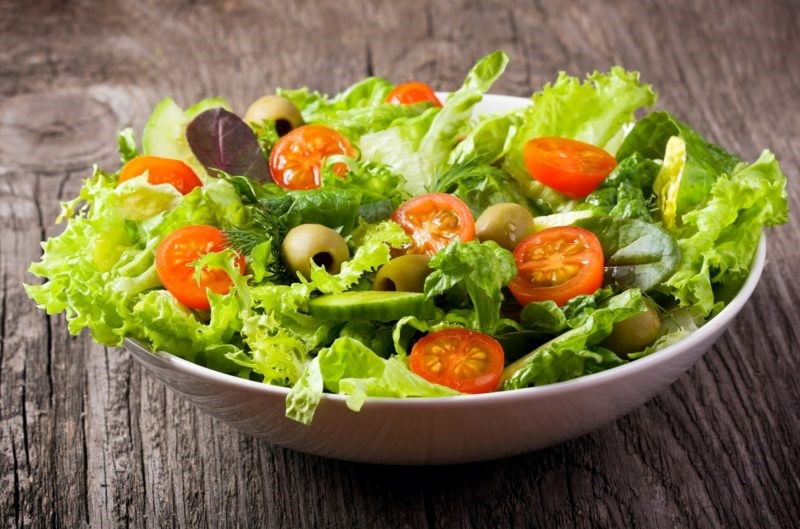
Leaf lettuce is a herbaceous annual plant belonging to the Asteraceae family. The leaves of lettuce are typically large and may exhibit a variety of textures, including smooth, corrugated, wrinkled, or curly, and range in color from light to vibrant green. This plant has been consumed as a food source since antiquity. Notably, the renowned medieval scholar and physician Avicenna utilized leaf lettuce in the treatment of his patients.
The cultivation of lettuce has a long history that dates back to ancient civilizations. It was well known among the Greeks, Romans, and Egyptians. Initially, various types of lettuce were cultivated primarily for their seeds, which were used to produce oil. However, after discovering the palatability of its tender leaves, people began incorporating this nutritious green into their diets.
The plant is abundant in vitamins, particularly representatives of the B and K vitamin groups, as well as carotene, nicotinic acid, tocopherol, and folic acid. Simple leaf lettuce is a leading source of vitamin C, containing higher levels than green apples and citrus fruits. This elevated vitamin C content makes lettuce leaves an exceptional antioxidant, aiding in the deceleration of cellular aging, enhancing immunity, combating free radicals, and preventing the onset of numerous diseases.
Lettuce leaves are also rich in retinol (vitamin A), a compound that positively impacts skin health by slowing the aging process, alleviating acne, and supporting the functions of the thyroid gland, liver, and adrenal glands. Moreover, the substantial vitamin K content prevents calcium deposition on heart valves and blood vessel walls, thereby reducing the risk of heart attacks and strokes. Additionally, the magnesium content in lettuce contributes to the optimal functioning of the central nervous system.
Salads are an abundant source of essential vitamins and minerals. By incorporating them into our diet, we can mitigate the risk of developing obesity and type 2 diabetes. Juicy and tender lettuce, being one of the lowest-calorie vegetables, provides only 12-15 kcal per 100 grams. Moreover, lettuce contributes to fat oxidation, detoxifies the body, and enhances metabolic processes. Therefore, its inclusion in weight-loss diets is highly recommended.
Salad leaves are best paired with nutrient-rich foods such as fish, meat, eggs, cottage cheese, and cheese. These ingredients are high in protein, which plays a vital role in collagen synthesis, thereby helping to delay the early onset of wrinkles.
When preparing salads, it is advisable to tear lettuce leaves by hand rather than cutting them with a knife due to the following reasons:
- Knife-cut lettuce tends to wilt faster, whereas hand-torn leaves retain freshness for a longer period.
- The metal of the knife accelerates oxidation, resulting in a loss of vitamins.
- Torn leaves maintain a more natural and visually appealing appearance.
Akhmedova N.T.
Assistant of the department of pharmacology