


NATIONAL CULTURE: THE MOST SIGNIFICANT FACTOR IN EDUCATION
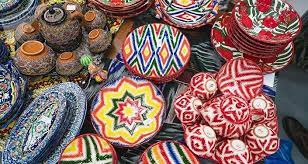
National culture serves as a cornerstone for the moral and aesthetic education of individuals and nations. It plays a pivotal role in fostering self-awareness, patriotism, enlightenment, and the progress of education and training, particularly among young people. Sustainable education is rooted in the preservation of national characteristics and historical values, promoting the development of self-awareness and national pride. A significant step in this direction is the organization and hosting of high-level seminars and conferences involving scientists, experts, and the youth. Such initiatives are crucial for nurturing a generation equipped with creative thinking, a broad worldview, modern knowledge, and a deep sense of patriotism. Our culture is not merely the legacy of the present but a testament to the labor and contributions of our ancestors.
Studying and promoting national culture is one of the primary responsibilities of young people. With a strong sense of self-awareness and patriotism, the youth can make a significant contribution to this endeavor. In an era marked by the peak of globalization and the clash of civilizations, it is crucial that the role and status of educated, talented young individuals, who embody the pride and honor of patriotism, be recognized as vital.
Naturally, the defenders of national culture are young individuals endowed with advanced knowledge and a strong sense of perception, as science is the key to addressing all challenges. An uninformed person is susceptible to manipulation by extremist groups. One outward sign of imitation, which also reflects internal influence, is the manner in which one dresses. Clothing serves as a significant component of a nation's culture. The Tajik people, who have preserved their language, customs, and national attire for centuries, have successfully carried these traditions into the present day.
Disregard for national dress is more prevalent among young women, who predominantly wear attire they describe as "European" or create garments from national fabrics that conflict with traditional cultural values.
I believe that our designers should develop their own distinctive "fashion" rather than follow trends from other cultures. They should strive to encourage other nations to adopt the style of clothing of the Tajik people and embrace it as their own "fashion."
We are confident that young people will emerge as the foremost advocates for the sustainable preservation of the core pillars of our national culture.
Kamolova H.F. - Assistant at the department of sociological sciences
translated by Ismoilov R.