
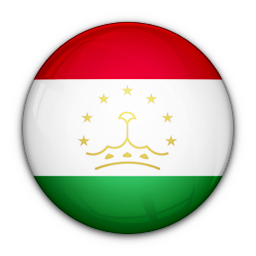
Flag Day of the Republic of Tajikistan
Flag Day of the Republic of Tajikistan is a prominent national holiday observed annually on November 24. Established in 2009 by the decree of the President of the Republic of Tajikistan, Honorable Emomali Rahmon, this day has become a symbol of the nation's independence, unity, and sovereignty. It serves to unite the Tajik people, fostering respect and love for their homeland, culture, and history.
The history of Tajikistan’s national flag is closely intertwined with the development of its national statehood. Since ancient times, the Tajik people have been renowned for their rich culture and civilization. Following independence from the Soviet Union in 1991, Tajikistan began establishing its national symbols, with the adoption of the state flag being a key milestone.
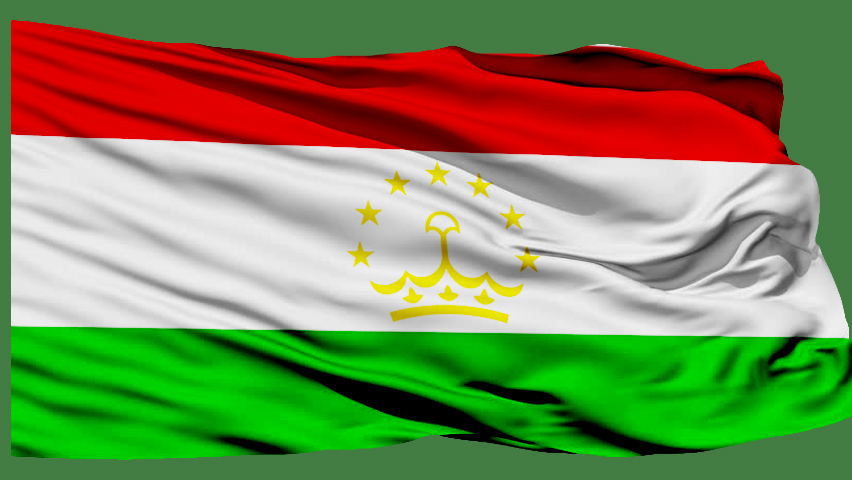
The national flag of Tajikistan was officially adopted on November 24, 1992, during a session of the Supreme Council. Distinguished by its unique design, the flag harmoniously integrates the country's national and cultural traditions. It features three horizontal stripes—red, white, and green—with a golden crown and seven stars centered in the white stripe. This emblematic design reflects Tajik identity and symbolizes the aspirations and ideals of the nation.
The flag of Tajikistan holds profound symbolic significance:
1. The Red Stripe symbolizes the struggle for freedom and independence, reflecting the historical events that have shaped the Tajik state. It represents sacrifice, courage, and heroism, emphasizing the Tajik people's enduring commitment to defending their homeland.
2. The White Stripe signifies peace, purity, and spirituality. It is also associated with the country's high mountainous regions, characterized by snow-capped peaks, and with cotton, a key agricultural product of Tajikistan.
3. The Green Stripe represents nature, fertility, and hope for the future. Tajikistan's wealth of natural resources, particularly in the agricultural sector, is highlighted by this color. Additionally, green symbolizes Islam, the predominant religion of the majority of the population.
4. The Golden Crown and Seven Stars embody Tajikistan's sovereignty and independence. The seven stars encircling the crown symbolize national unity, with the number seven holding sacred and auspicious significance in Tajik culture, reflecting a deep reverence for cultural heritage and traditions.
Flag Day in Tajikistan is more than a symbolic celebration; it is a significant occasion that fosters national unity. On this day, various ceremonial events are held across the country, including:
1. Flag-Raising Ceremony – This central event typically takes place in the main square of a city's central street. In Dushanbe, the ceremony is held at the National Flag Monument, which features one of the world's tallest flagpoles, standing at 165 meters.
2. Parades and Rallies – State and public organizations organize parades and rallies, providing citizens with an opportunity to express their patriotism and support for national sovereignty.
3. Exhibitions and Cultural Events – Museums and cultural centers host exhibitions highlighting Tajikistan's history, culture, and the significance of the national flag. Educational institutions engage students in activities that deepen their understanding of the national flag and its symbolic importance.
4. Concerts and Sporting Events – A variety of concerts, sports competitions, and entertainment activities are organized to inspire national pride and promote social cohesion.
Conclusion
The Flag Day of the Republic of Tajikistan is a holiday that symbolizes not only statehood and independence but also the profound respect of the Tajik people for their history, culture, and traditions. This day serves as a reminder of the nation's aspirations for peace, unity, and prosperity. The flag of Tajikistan embodies the unity of all its citizens and inspires them to strive for new achievements for the nation's future. The annual celebration of this significant occasion fosters national pride and reinforces a deep sense of belonging and commitment to the homeland.
Head of the Russian language department, c.p.s.: N. Sh. Aliyeva
Samadova Z. S., c.ph.s., associate professor
Translated by Ismoilov R.