


THE CONSTITUTION IS THE CERTIFICATE OF THE NATION
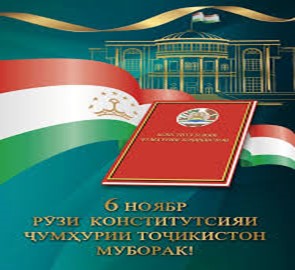
The Constitution is often referred to as the "certificate of the nation," symbolizing the foundational principles and values that govern a country. It is a legal document that establishes the framework for governance, outlines the rights and responsibilities of citizens, and serves as a safeguard against the abuse of power. In this article, we explore the significance of the Constitution in shaping a nation's identity, promoting justice, and ensuring stability.
Foundations of Governance
At its core, a constitution delineates the structure of government. It defines the roles and powers of different branches—executive, legislative, and judicial—ensuring a system of checks and balances. This division of powers is crucial for preventing the concentration of authority, which can lead to tyranny. By clearly outlining the functions of government, the Constitution provides a foundation for democratic governance and accountability.
Protection of Rights
One of the most vital functions of a Constitution is to protect the rights and freedoms of individuals. It guarantees civil liberties such as freedom of speech, religion, assembly, and the right to a fair trial. These rights empower citizens, giving them a voice in the political process and the ability to challenge injustices. By enshrining these fundamental rights, the Constitution becomes a safeguard against oppression, ensuring that all citizens are treated with dignity and respect.
National Identity
The Constitution plays a significant role in shaping a nation’s identity. It embodies the collective values, beliefs, and aspirations of its people. Through its principles, citizens find common ground and a sense of belonging. By establishing a framework for unity, the Constitution encourages civic pride and participation, fostering a deeper connection between individuals and their nation. In this way, it serves not only as a legal document but also as a symbol of national identity and purpose.
Promoting Justice and Equality
A Constitution promotes justice by establishing the rule of law, ensuring that all individuals are subject to the same laws and legal standards. It provides mechanisms for the peaceful resolution of disputes and the protection of minority rights. By advocating for equality and fairness, the Constitution fosters a just society, where all citizens can pursue their goals without discrimination or prejudice. This commitment to justice is essential for social cohesion and stability.
Adaptability and Evolution
While a Constitution provides stability, it must also be adaptable to the changing needs of society. Many Constitutions include provisions for amendments, allowing for updates that reflect evolving values and circumstances. This adaptability ensures that the Constitution remains relevant and effective, accommodating new challenges while preserving the core principles on which the nation was founded.
Conclusion
In conclusion, the Constitution serves as the "certificate of the nation," establishing the legal and moral foundation for governance, protecting individual rights, and promoting justice and unity. It embodies the aspirations and values of society, guiding the nation towards a future of stability and progress. By upholding the principles enshrined in the Constitution, citizens and leaders alike contribute to the enduring strength and harmony of their nation. Ultimately, the Constitution not only defines the structure of government but also encapsulates the spirit and identity of the people it serves.
We are celebrating the 30th anniversary of the Constitution of the Republic of Tajikistan. Over the past 30 years since the adoption of the Constitution, experience has shown that this supreme document has provided the legal foundations for the development of social relations, ensuring the inviolability and integrity of the country, national interests, and defining the goals of domestic and foreign policy.
Additionally, this high document has been recognized among the top five constitutions of the member states of the Organization for Security and Co-operation in Europe.
If we consider the concept of the Constitution, it is derived from the Latin word meaning "to construct" and "to establish." As mentioned by the Founder of Peace and National Unity, Leader of the Nation, the President of the Republic of Tajikistan, the Honorable Emomali Rahmon, “The Constitution is the certificate of the state.”
As is known, the primary position in the Constitution is occupied by the rights and freedoms of individuals and citizens. The provision of more than one-third of the Constitution, from Articles 14 to 47, expresses the essence and significance of civil society and reflects the strong support of the state for the interests of citizens. The Constitution of the Republic of Tajikistan is an official written document adopted through a nationwide referendum on November 6, 1994, with amendments and additions made on September 26, 1999, June 22, 2003, and finally on May 22, 2016, also through a nationwide referendum.
In implementing the constitutional norms, particularly ensuring the rights and freedoms of individuals and citizens—which are the core of the democratic system—the role of judicial authorities is also significant. This is because the Constitution has created a favorable environment for reforms in the judicial system of the country, which is at the forefront of resolving disputes fairly and restoring the violated rights of citizens. The judicial authority, alongside the executive and legislative branches, has been defined as an independent pillar of state power.
Article 84 of the Constitution states that “The judicial authority is independent and is exercised in the name of the state by judges. The judicial authority protects the rights and freedoms of individuals and citizens, the interests of the state, organizations, institutions, and upholds legality and justice.” From this perspective, it is evident that the court is ultimately capable of achieving social justice. Currently, the judicial authorities of the country are making advancements in ensuring complete social justice and protecting the rights and interests of members of society, institutions, and organizations.
It should be noted that since its establishment, the Republic of Tajikistan, specifically during its time within the USSR, adopted its own constitutions, which held special significance for the statehood of the Tajik nation and the stability of state power and the constitutional structure. After gaining state independence, the Republic of Tajikistan adopted its Constitution, marking a historical milestone in the life of the Republic. The President of the Republic of Tajikistan, the Founder of Peace and National Unity—Leader of the Nation, the Honorable Emomali Rahmon—stated in his Message to the Majlisi Oli (Supreme Assembly) of the Republic of Tajikistan that “The Constitution, as the destiny of the nation and a foundational political document, determines the path for the future development and progress of our free and democratic state.” Indeed, the Constitution plays a significant role in the development of the state and society, serving as a foundation for the advancement of all sectors of society.
It should be emphasized that the Constitution is primarily a normative legal document. According to the requirements of the Law of the Republic of Tajikistan “On Normative Legal Acts,” a normative legal act is an official document of a specified form that is adopted by a nationwide referendum or by state authorities or local self-government bodies or by an authorized state official, having a general obligatory nature and establishing, amending, or repealing legal norms.
In contemporary times, all constitutions are generally divided into two groups based on their format: 1. Written constitutions and 2. Unwritten constitutions. A written constitution is an official document adopted in an established manner, which can be amended or supplemented.
Unwritten constitutions comprise a collection of customs and accumulated judicial practices that are embodied in current laws. This type of constitution currently operates in Great Britain and New Zealand.
The Constitution of the Republic of Tajikistan is, therefore, an official written document adopted through a nationwide referendum on November 6, 1994, with amendments and additions made on September 26, 1999, June 22, 2003, and finally on May 22, 2016.
As mentioned, the Constitution is also considered a type of normative legal act. However, the Constitution possesses characteristics that distinguish it from other normative legal acts.
The Constitution has the following distinguishing characteristics:
1. The Constitution is adopted through a referendum. A referendum is a nationwide vote on important issues of state and public life. Amendments and additions to the Constitution of the Republic of Tajikistan can only be made through a referendum. Decisions made by the nationwide referendum hold the highest legal force and do not require any further confirmation; their implementation is mandatory throughout the territory of Tajikistan. Laws and other normative legal acts are adopted by legislative authorities, supported by the upper house of parliament, and submitted to the President of the Republic of Tajikistan for approval. After the adoption of a law, it is assigned an identification number and registered in the State Registration Office of the Ministry of Justice of the Republic of Tajikistan.
2. The Constitution of the Republic of Tajikistan includes guiding principles. This means that the Constitution, as a source of the country's legislation, embodies certain principles that are enshrined throughout the legal framework.
With pride and gratitude to my state and nation, I note that all of this has been realized thanks to state independence and the peace and stability in our modern society under the leadership of the President of the Republic of Tajikistan, the Founder of Peace and National Unity, Leader of the Nation, the Honorable Emomali Rahmon. The economy of the country has flourished and the people of Tajikistan are working and living freely, striving to make their beloved homeland prosperous and beautiful.
Taking this opportunity, I sincerely congratulate every citizen of the Republic of Tajikistan on the 30th anniversary of the Constitution of the Republic of Tajikistan and wish you all health and success in your endeavors.
Aliev H.I.-Senior lecture of Dermatology department